1. YouCPro
  2. /
  3. Workflow Installs

What is a Workflow Install?

A Workflow Install is a timestamped captured learning moment that becomes reusable during real work—not a passive bookmark, but an install you can reopen, rehearse, and ship beside.

Open App

Try a real Workflow Install

These are practice objects, not content cards—each row is a timestamp on a real lesson, with an install line you would actually reopen beside your editor.
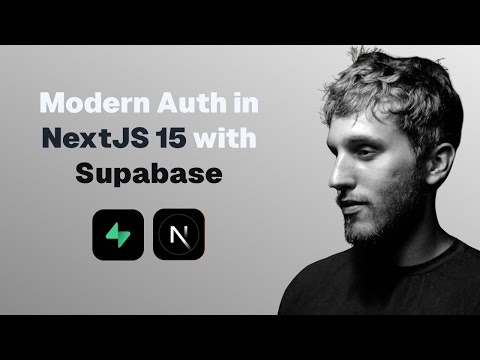
Supabase

Supabase RLS install

+ 18:22

“Voice note on anon vs service role—plus the exact policy clause that finally matched read intent.”

Open in YouCSupabase practice hub
Cursor

Cursor agent patch install

+ 8:42

“Rules file + @mention pattern spoken before accepting the multi-file agent diff.”

Open in YouCCursor practice hub
Next.js

App Router RSC install

+ 8:31

“The frame where server vs client components finally matched the mental model.”

Open in YouCNext.js practice hub
Stripe

Stripe webhook verify install

+ 9:55

“Named the raw body header the handler checks first—signature verification on camera.”

Open in YouCStripe practice hub
Vercel

Vercel preview deploy install

+ 6:18

“Build logs matched production branch naming—first green preview, bookmarked for the next ship.”

Open in YouCVercel practice hub

What goes into a Workflow Install

  • Video — the YouTube lesson you were in when something clicked.
  • Timestamp — the exact second the idea landed, so return is one tap, not a scrub hunt.
  • Voice note — the constraint you said out loud while your hands were still on the keyboard.
  • Transcript — searchable text around the moment so you can find it by vocabulary, error string, or API name.
  • Return link — open the same beat when you are implementing for real.
  • Loop — repetition until the motion is automatic, the way you loop a guitar riff or a deploy checklist.

Why Workflow Installs beat bookmarks

Bookmarks save titles. Workflow Installs save the moment you understood—tied to timecode, voice, and the specific confusion you were solving. When you return a week later mid-refactor, you do not need the whole video; you need the thirty seconds where the pattern clicked, plus the note you left for your future self.

Workflow memory

Developers already rely on muscle memory for git, test runs, and migrations. Workflow memory is the same idea applied to long-form teaching: you are not memorizing the entire tutorial; you are caching the decisions that mattered—RLS policies, edge runtime limits, Stripe webhook shapes—so your brain can stay on the next feature instead of re-watching from zero.

Repetition, looping, and timestamped recall

Timestamped recall means you jump to the implementation beat, not the intro sponsor read. Looping means you can rehearse the same segment until the steps feel obvious under pressure—before a production deploy, before a live demo, or while onboarding someone new to the stack.

AI-native learning

When you build with Cursor, ChatGPT, Claude Code, Supabase, and Vercel, the bottleneck shifts from syntax to judgment: what to paste, what to trust, what to verify. That shift is what we mean by AI workflow memory—and Workflow Installs preserve those judgment calls in context so your agents and your future you are not guessing from a stale tab title.

Examples from real dev workflows

The same atomic unit shows up everywhere you learn by doing. Start from a practice lane, capture your own installs from any tutorial, and let them stack into a personal playbook.

  • Cursor installs — multi-file refactors, agent prompts, and test-driven edits where the video shows the exact sequence (practice hub).
  • Supabase installs — RLS, policies, storage MIME fixes, and SQL you want beside the editor next time (practice hub).
  • React installs — hooks, server components, and client boundary decisions captured at the frame the bug made sense.
  • Debugging installs — stack traces, log lines, and repro steps tied to the explanation that unblocked you.
  • Architecture installs — boundaries, folder moves, and tradeoffs you want to revisit before the next big migration.

Vocabulary guides

Short, interlinked pages you can send when someone asks what you mean by workflow memory, timestamped recall, or AI-native practice—each ties back to the same glossary above.

  • Cursor Workflow Installs
  • Supabase Workflow Installs
  • React Workflow Installs
  • Debugging Workflow Installs
  • AI workflow memory
  • Workflow memory
  • YouTube practice
  • Timestamped learning
  • Practice memory

Install workflows into yourself

You already install packages, dependencies, frameworks, tooling, and operating systems. A Workflow Install is the same verb applied to how you work: you are not hoarding content—you are installing workflows into yourself so the next build starts from clarity instead of re-discovery.

  1. YouCPro
  2. /
  3. Workflow Installs

What is a Workflow Install?

A Workflow Install is a timestamped captured learning moment that becomes reusable during real work—not a passive bookmark, but an install you can reopen, rehearse, and ship beside.

Open App

Try a real Workflow Install

These are practice objects, not content cards—each row is a timestamp on a real lesson, with an install line you would actually reopen beside your editor.

Supabase

Supabase RLS install

+ 18:22

“Voice note on anon vs service role—plus the exact policy clause that finally matched read intent.”

Open in YouCSupabase practice hub
Cursor

Cursor agent patch install

+ 8:42

“Rules file + @mention pattern spoken before accepting the multi-file agent diff.”

Open in YouCCursor practice hub
Next.js

App Router RSC install

+ 8:31

“The frame where server vs client components finally matched the mental model.”

Open in YouCNext.js practice hub
Stripe

Stripe webhook verify install

+ 9:55

“Named the raw body header the handler checks first—signature verification on camera.”

Open in YouCStripe practice hub
Vercel

Vercel preview deploy install

+ 6:18

“Build logs matched production branch naming—first green preview, bookmarked for the next ship.”

Open in YouCVercel practice hub

What goes into a Workflow Install

  • Video — the YouTube lesson you were in when something clicked.
  • Timestamp — the exact second the idea landed, so return is one tap, not a scrub hunt.
  • Voice note — the constraint you said out loud while your hands were still on the keyboard.
  • Transcript — searchable text around the moment so you can find it by vocabulary, error string, or API name.
  • Return link — open the same beat when you are implementing for real.
  • Loop — repetition until the motion is automatic, the way you loop a guitar riff or a deploy checklist.

Why Workflow Installs beat bookmarks

Bookmarks save titles. Workflow Installs save the moment you understood—tied to timecode, voice, and the specific confusion you were solving. When you return a week later mid-refactor, you do not need the whole video; you need the thirty seconds where the pattern clicked, plus the note you left for your future self.

Workflow memory

Developers already rely on muscle memory for git, test runs, and migrations. Workflow memory is the same idea applied to long-form teaching: you are not memorizing the entire tutorial; you are caching the decisions that mattered—RLS policies, edge runtime limits, Stripe webhook shapes—so your brain can stay on the next feature instead of re-watching from zero.

Repetition, looping, and timestamped recall

Timestamped recall means you jump to the implementation beat, not the intro sponsor read. Looping means you can rehearse the same segment until the steps feel obvious under pressure—before a production deploy, before a live demo, or while onboarding someone new to the stack.

AI-native learning

When you build with Cursor, ChatGPT, Claude Code, Supabase, and Vercel, the bottleneck shifts from syntax to judgment: what to paste, what to trust, what to verify. That shift is what we mean by AI workflow memory—and Workflow Installs preserve those judgment calls in context so your agents and your future you are not guessing from a stale tab title.

Examples from real dev workflows

The same atomic unit shows up everywhere you learn by doing. Start from a practice lane, capture your own installs from any tutorial, and let them stack into a personal playbook.

  • Cursor installs — multi-file refactors, agent prompts, and test-driven edits where the video shows the exact sequence (practice hub).
  • Supabase installs — RLS, policies, storage MIME fixes, and SQL you want beside the editor next time (practice hub).
  • React installs — hooks, server components, and client boundary decisions captured at the frame the bug made sense.
  • Debugging installs — stack traces, log lines, and repro steps tied to the explanation that unblocked you.
  • Architecture installs — boundaries, folder moves, and tradeoffs you want to revisit before the next big migration.

Vocabulary guides

Short, interlinked pages you can send when someone asks what you mean by workflow memory, timestamped recall, or AI-native practice—each ties back to the same glossary above.

  • Cursor Workflow Installs
  • Supabase Workflow Installs
  • React Workflow Installs
  • Debugging Workflow Installs
  • AI workflow memory
  • Workflow memory
  • YouTube practice
  • Timestamped learning
  • Practice memory

Install workflows into yourself

You already install packages, dependencies, frameworks, tooling, and operating systems. A Workflow Install is the same verb applied to how you work: you are not hoarding content—you are installing workflows into yourself so the next build starts from clarity instead of re-discovery.